Find the actual fault, not the symptom.
Modern trucks and heavy plant often display fault codes that identify a symptom rather than the actual cause of the problem. A dash light points at a sensor, the sensor gets replaced, the light comes back in a fortnight and the machine has now cost two visits and still does not work properly.
We trace faults to their source. It takes longer on the first visit and it is considerably cheaper by the third.
Hydraulics are where most heavy plant faults live and where most efficiency quietly disappears. We carry out full system health checks and tuning, cylinder and pump performance testing, flow and pressure analysis, and component wear assessment.
A machine losing hydraulic efficiency rarely announces it. It just gets slower, burns more fuel and works its operator harder, until something lets go. Catching that early is one of the highest-return things you can do to a working machine.
Plant and trucks are increasingly electronic, and diagnosis increasingly means software as much as spanners. We test sensors, wiring and electronic controls, engine management systems, fuel injection and emissions systems, and interpret dash fault codes in the context of what the rest of the machine is doing.
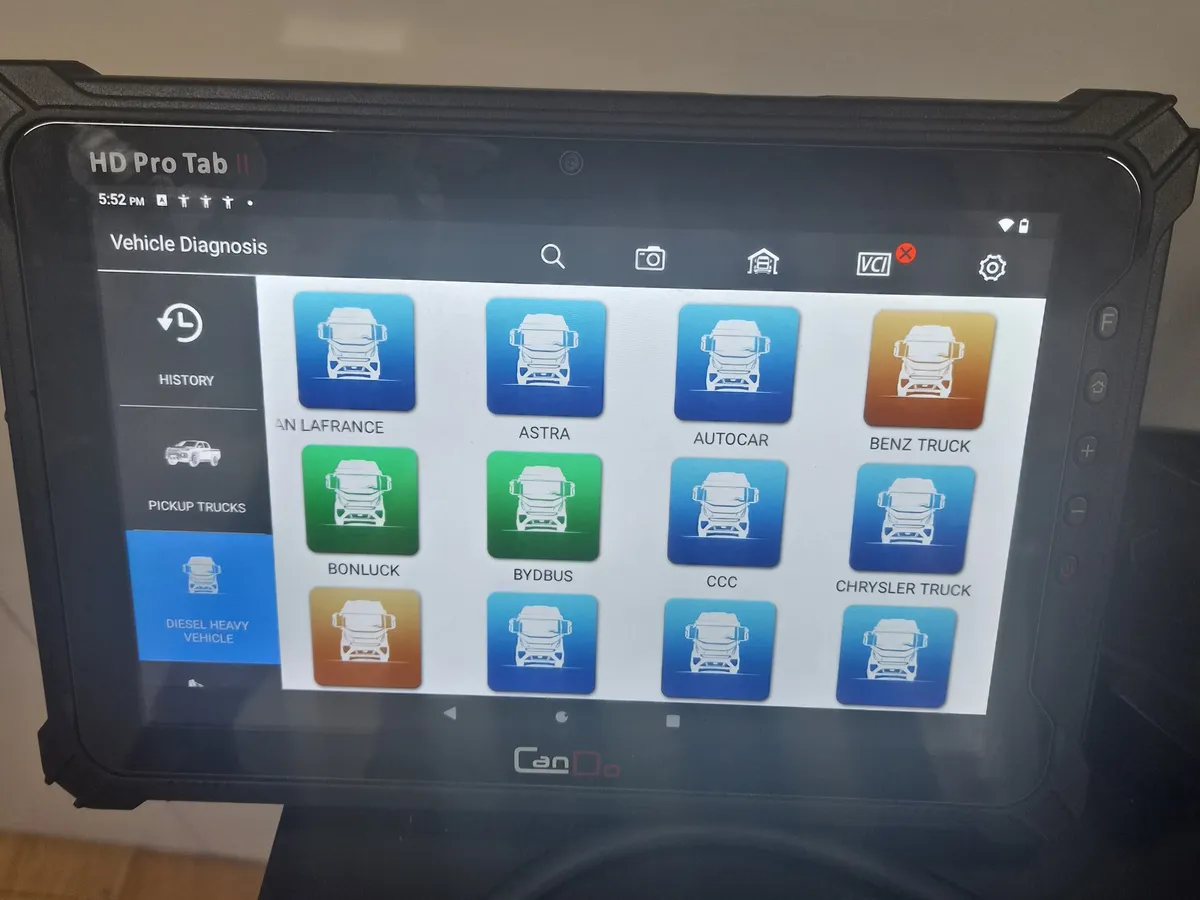
Our CanDo diagnostic system covers trucks, trailers and heavy equipment as well as diesel 4WDs, and we have access to electrical diagrams for the equipment we work on. On heavy vehicles, that includes transmission, cooling, fuel, turbo and emissions system testing, Allison transmission testing and calibration, and forced (parked) DPF regenerations.
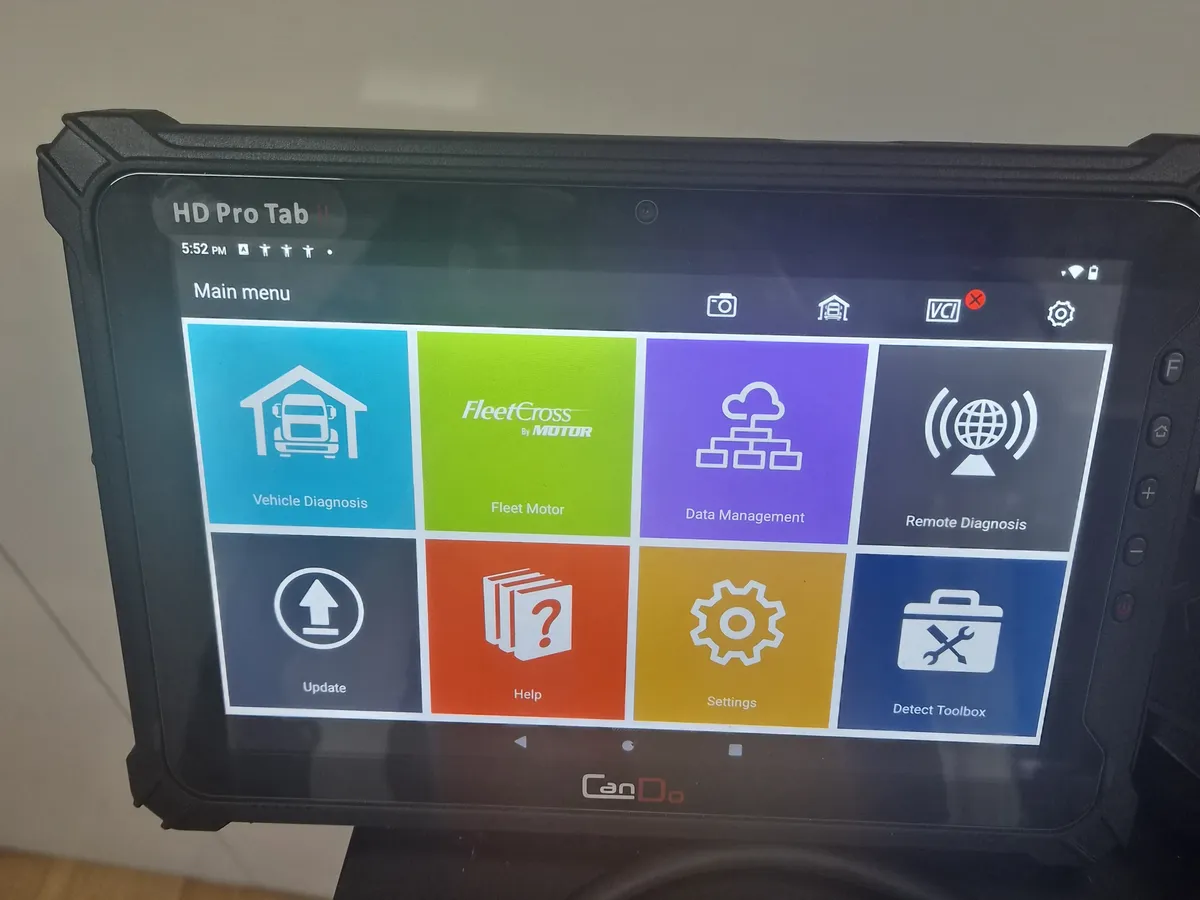
We have invested in CanDo diagnostic equipment for fault finding, system testing and maintenance support across light vehicles and heavy equipment.
4WDs and light commercials: Toyota, Ford, Nissan, Mitsubishi, Isuzu, Mazda, Holden, Volkswagen, RAM, Chevrolet and GMC
Trucks and commercial fleets: Kenworth, Mack, Volvo, Scania, MAN, DAF, Mercedes-Benz, Iveco, Freightliner, Western Star, Isuzu, Hino, Fuso and UD Trucks
Civil, construction and agricultural machinery: Caterpillar, Komatsu, JCB, Bobcat, Doosan, John Deere, Kubota and selected mobile plant
Mining and industrial equipment: mobile mining equipment, drill rig engine systems, underground loaders, haul trucks and industrial diesel engines, including Cummins, Caterpillar, Detroit Diesel, Perkins and Deutz
Functions include engine and fuel system diagnostics, live data analysis, injector coding and cylinder performance testing, forced (parked) DPF regenerations and emissions diagnostics, AdBlue, SCR and EGR testing, turbo actuator testing and calibration, transmission diagnostics and calibration, ABS and electronic braking diagnostics, CAN bus and electrical fault finding, component activation and testing, selected hydraulic and machine control diagnostics, and parameter adjustments and resets.
Coverage and available functions vary with the manufacturer, model, year and control system.
These are the ones that end up with us after other workshops have given up. A fault that only appears under load, at temperature, or after four hours of work is not going to show itself in a five minute test. Diagnosing it takes patience and a methodical approach, which is what working on equipment that runs continuously teaches you.
If you have a machine with a fault nobody has been able to pin down, that is the sort of work we want.
Testing is not only for machines that are already broken. Running diagnostics on a healthy machine gives you a baseline, and the comparison against that baseline six months later is where developing problems show up first. It also lets you fine-tune for efficiency and plan repairs into a shutdown rather than around a failure.