Schedule your downtime, or it will schedule itself.
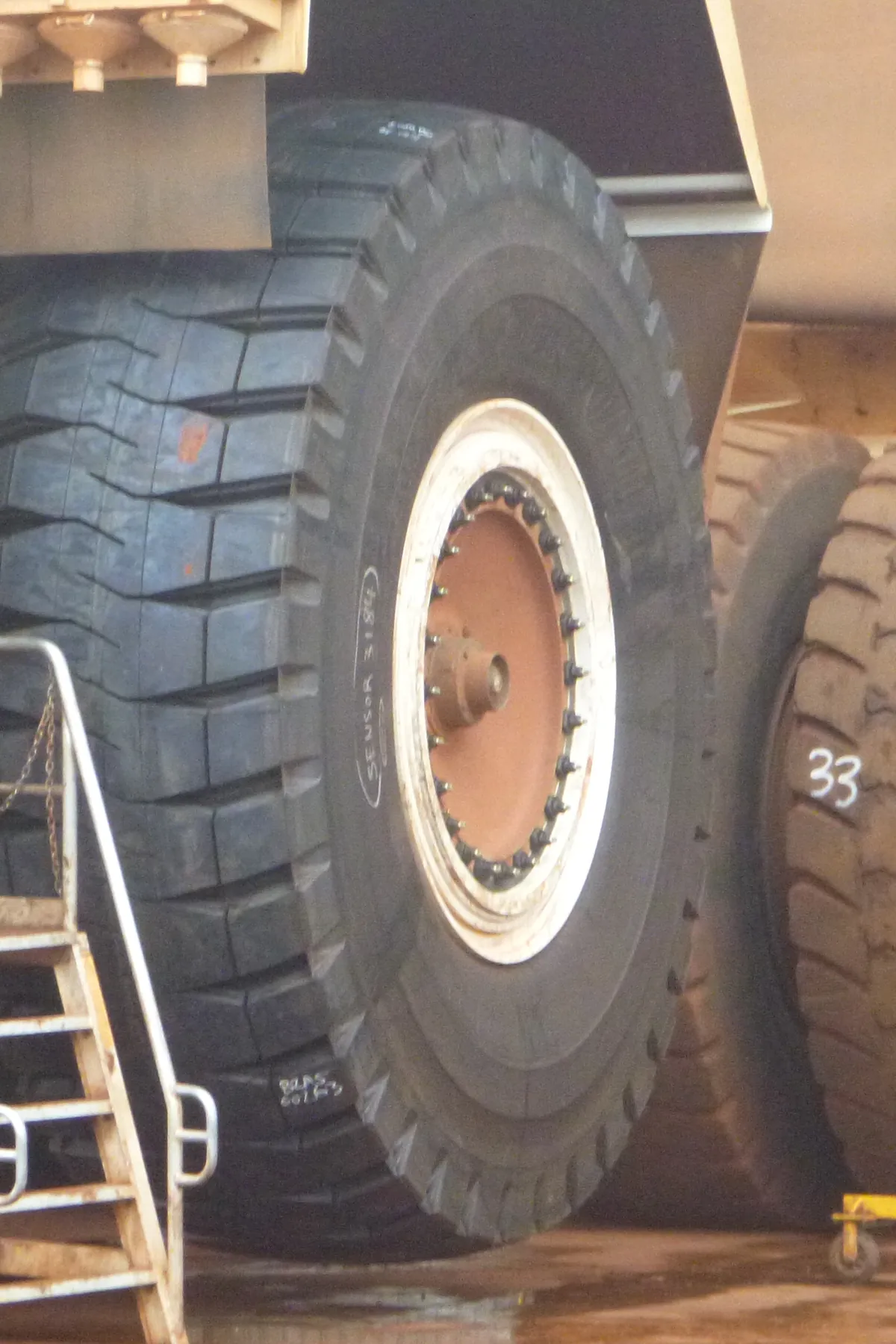
A machine that fails on site costs far more than the repair. It costs the crew standing around it, the hire rate on a replacement, the program slip and the client conversation that follows. The repair bill is usually the smallest line in that total.
Planned maintenance moves that cost forward and shrinks it. The work happens when you choose, at a rate you agreed, on a machine you took out of service deliberately
Every program starts with a service schedule built around the machine and how hard it works, not a generic interval pulled from a manual. Each planned service covers inspection with a written condition report, oil and filter changes to OEM specification, lubrication, replacement of components showing wear before they fail, and compliance checks so the machine stays site-approved.
You get told what is urgent, what is preventative and what can wait. That distinction matters when budgets are tight, and it is the part most operators say they never get from a general workshop.
Machines announce failure well before they fail. Condition monitoring is how you hear it.
The output is a decision, not a data dump. We tell you which machine needs attention, roughly when, and what it will cost if you wait.
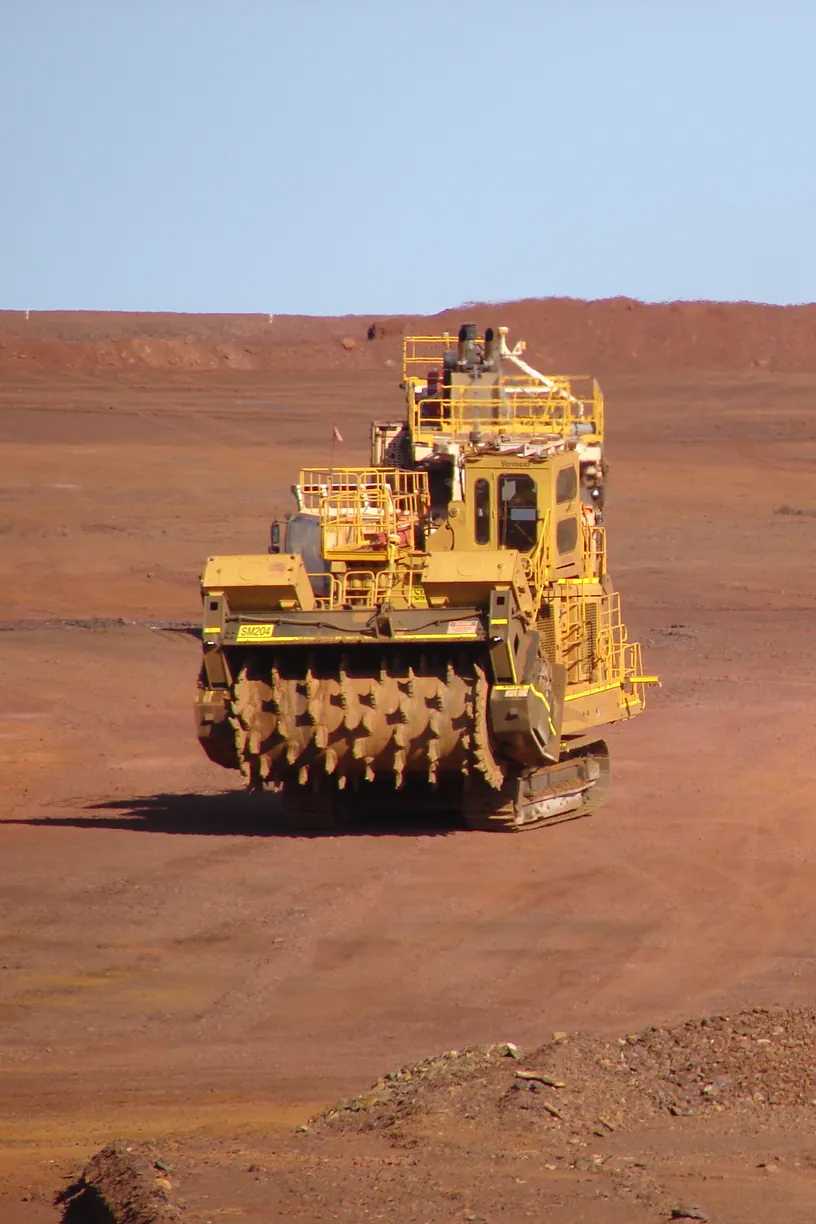
Not every operator needs the same thing. We build programs for owner-operators who need affordable compliance and a machine that keeps working, for small fleets balancing cost against availability, for large sites needing full coverage and formal reporting, and for remote operations where everything happens in the field. That includes drill rigs and other mobile mining equipment, and truck fleets that need preventative maintenance on a schedule.
You pay for the level of support you actually need. If a machine is running light duty and does not warrant condition monitoring, we will say so.
Every service produces documentation you can hand to a client, an auditor or an insurer. For operators tendering on government or tier one civil work, that record is often the difference between qualifying and not. For everyone else it is the thing that makes a machine worth more when you sell it.