Improving equipment availability. Reducing downtime. Restoring maintenance performance.
A maintenance department can have good mechanics, experienced supervisors and established systems, and still struggle to keep equipment running. When breakdowns become the daily priority, planned maintenance slips, component change-outs get deferred and supervisors spend more time fighting fires than managing the operation.
PMR Diesel helps mining operations regain control of maintenance. We work with site management, maintenance teams and operations to find what's holding performance back, improve maintenance practices and set up systems that deliver measurable results. We don't just produce reports. We work alongside your people to put the improvements in place.
Most underperforming maintenance departments show similar warning signs:
▲
Repeat failures. The same faults keep coming back, service after service, without the underlying cause being addressed.
▲
Supervisors working below their role. Supervisors act as leading hands, leaving little time for planning, leadership and maintenance control.
▲
Deferred component replacements. Equipment runs past planned change-out hours because production keeps taking priority.
▲
Poor defect reporting. Reports say "oil leak" without enough detail to plan the repair or order parts.
▲
Servicing without reliability improvement. Machines get scheduled servicing while critical defects and preventative work are missed.
▲
Technical resources being misused. Engineers, planners and reliability staff chase parts and breakdowns instead of improving equipment performance.
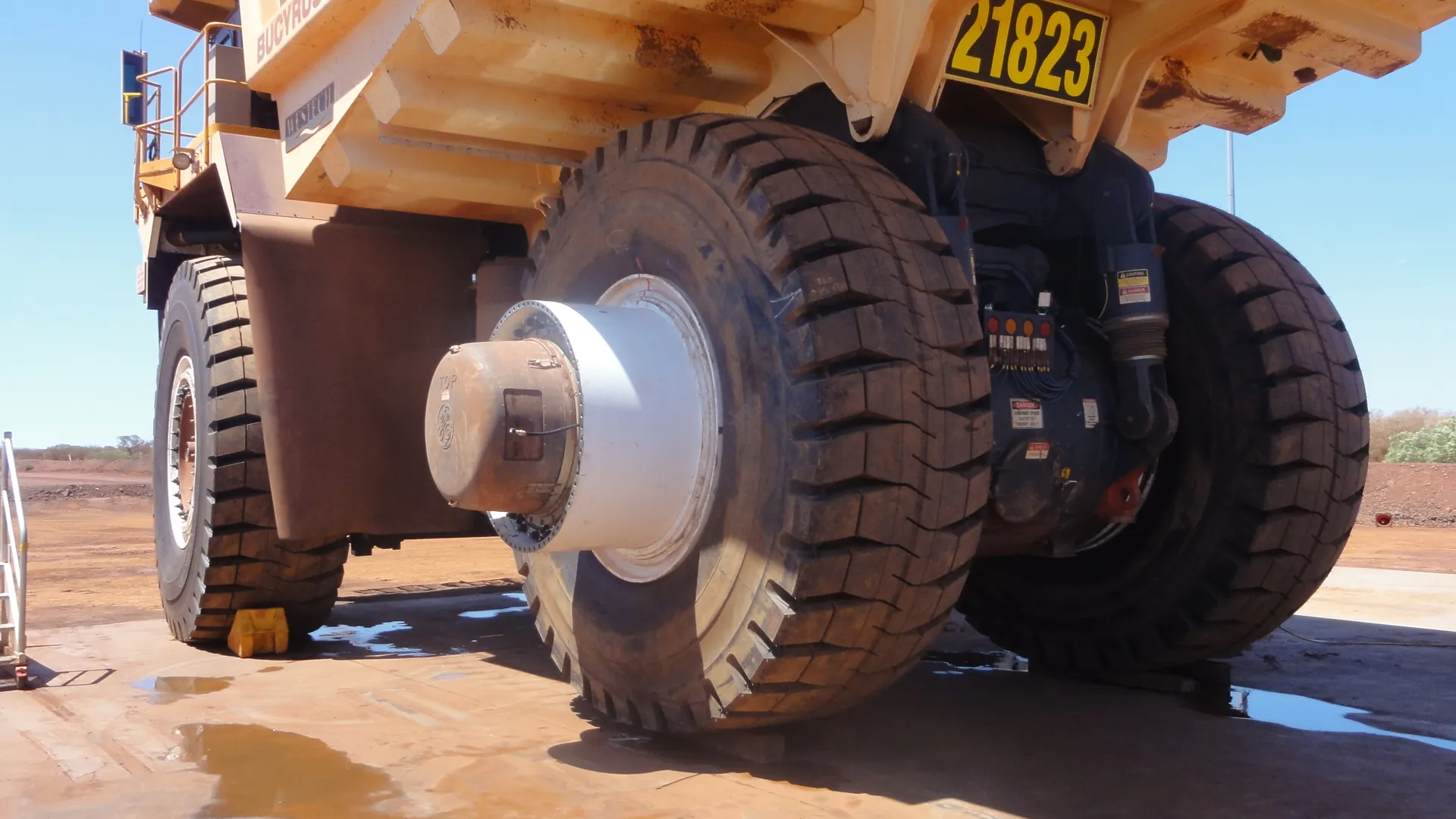
Being busy doesn't mean a maintenance department is effective. The problem isn't always a shortage of mechanics. Often, it's how maintenance is being managed.
01
Our first priority is understanding the current fleet condition and restoring operational stability. We work with maintenance and operations management to identify critical equipment, prioritise outstanding repairs and decide where available resources will have the greatest impact. The aim is to reduce uncontrolled breakdowns and make room to fix the underlying problems.
02
Before recommending changes, we spend time on site seeing how maintenance actually works. In many operations, responsibilities have gradually shifted. Supervisors become leading hands. Leading hands become fitters. Planners become parts coordinators. Everyone is busy, but the maintenance system no longer works as intended.
03
Effective maintenance depends on people having the time and authority to carry out their responsibilities. We review structures, position descriptions, reporting lines and daily work practices. Supervisors need to supervise, planners need time to plan, and engineers need time to analyse failures and develop improvements. When each role works as intended, the whole department becomes more effective.
04
A reliable mining fleet needs both short-term and long-term planning:
Short-term planning: preventative servicing and inspections, outstanding defects, labour and resources, parts and tooling, downtime coordination and backlog priorities.
Long-term planning: major component replacements and change-out intervals, planned downtime, long-lead parts and critical spares, condition trends, and maintenance aligned with production schedules.
Underground, an unplanned failure can need significant recovery time, specialist equipment and extra labour before repairs even begin. We also remove unnecessary servicing while keeping critical and manufacturer requirements. The aim is to control when maintenance happens, not react to failures.
05
Most sites already have a maintenance system that can produce useful information. The challenge is accurate data that supervisors and managers actually use. A defect note that says "oil leak" tells a planner very little. One that names the component, location, severity and operating condition lets the repair be planned and the parts sourced. Good maintenance data should drive action, not simply generate reports.
06
When availability drops, communication with production and the client becomes dominated by breakdowns and recovery plans. We set up clear reporting, equipment release arrangements and forward schedules. These are built on measures such as physical availability, mean time between failures (MTBF), mean time to repair (MTTR), repeat failures, planned versus unplanned work, PM compliance and backlog. As control improves, the conversation shifts from past breakdowns to upcoming work.
Our engagements are designed to deliver lasting maintenance improvements, including:
Improved maintenance control and fleet stability.
Clearly defined roles, responsibilities and accountability.
More effective short-term maintenance planning.
Structured major component replacement strategies.
Improved defect identification, reporting and repair planning.
Better use of supervisors, planners, engineers and tradespeople.
Improved maintenance reporting and performance visibility.
Stronger coordination between maintenance and operations.
Reduced exposure to repeat failures and unplanned downtime.
Practical systems that site personnel can keep using after the engagement ends.
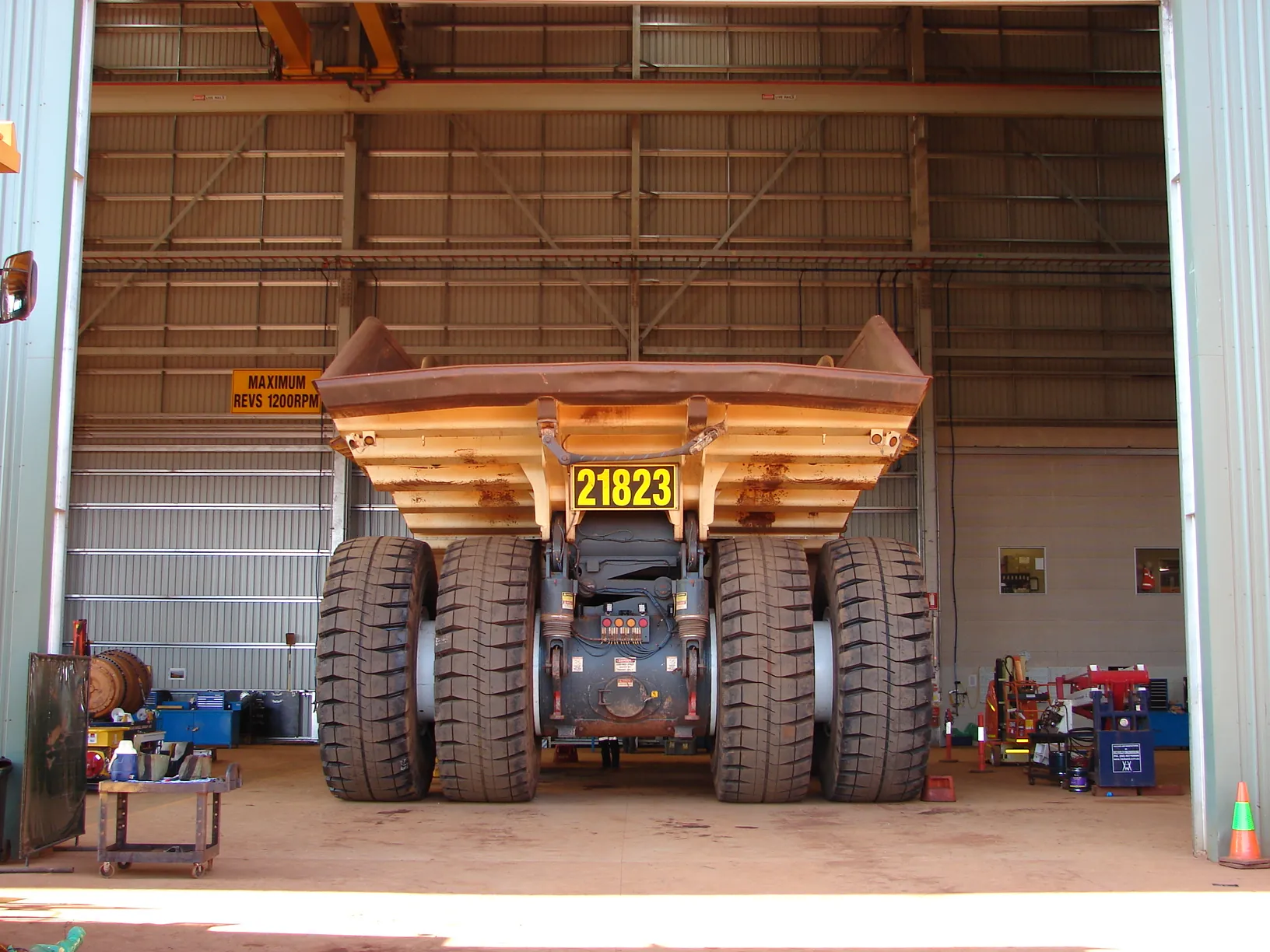
One of the biggest mistakes in mining maintenance is assuming identical equipment will perform the same way at every operation. The machines and systems may be similar, but reliability and component life can vary a lot.
Heat and ventilation. Equipment in hot or poorly ventilated areas can overheat again and again. Replacing cooling system parts won't fix it if the ventilation and operating conditions stay the same.
Water and electrical reliability. Wet underground conditions cause electrical failures, connector corrosion and repeat wiring faults. Better sealing, harness protection and water management reduce them.
Ground conditions and abrasive wear. Abrasive ground wears slides, pins, bushes and ground-engaging parts much faster. Inspection intervals need to reflect real conditions, not only standard schedules.
Underground access and logistics. Access, workshop location and spare parts all affect repair times. In shaft-access mines, a minor failure can mean days of downtime if the part isn't already underground.
Operator practices and workforce capability. Operating technique, shift practices and experience all affect reliability. Reviewing operating patterns and failure history can show why one machine outperforms an identical unit.
We assess the complete operating environment, not just the machine.
Not every operation needs a long-term engagement. Our maintenance system review and audit covers four areas: systems, inventory, plant and resources. Its modular approach allows benchmarking in each area, and it comes as a full review or as an abbreviated version that supports an existing improvement program.
Fleet condition and equipment reliability.
Maintenance department structure and supervision.
Preventative maintenance effectiveness.
Planning and scheduling practices.
Major component management.
Maintenance backlog and defect control.
Maintenance costs and resource utilisation.
Maintenance management systems and reporting.
Maintenance and production coordination.
After the assessment, we provide practical recommendations and a prioritised improvement plan. Where needed, we can support the work through an ongoing site engagement.
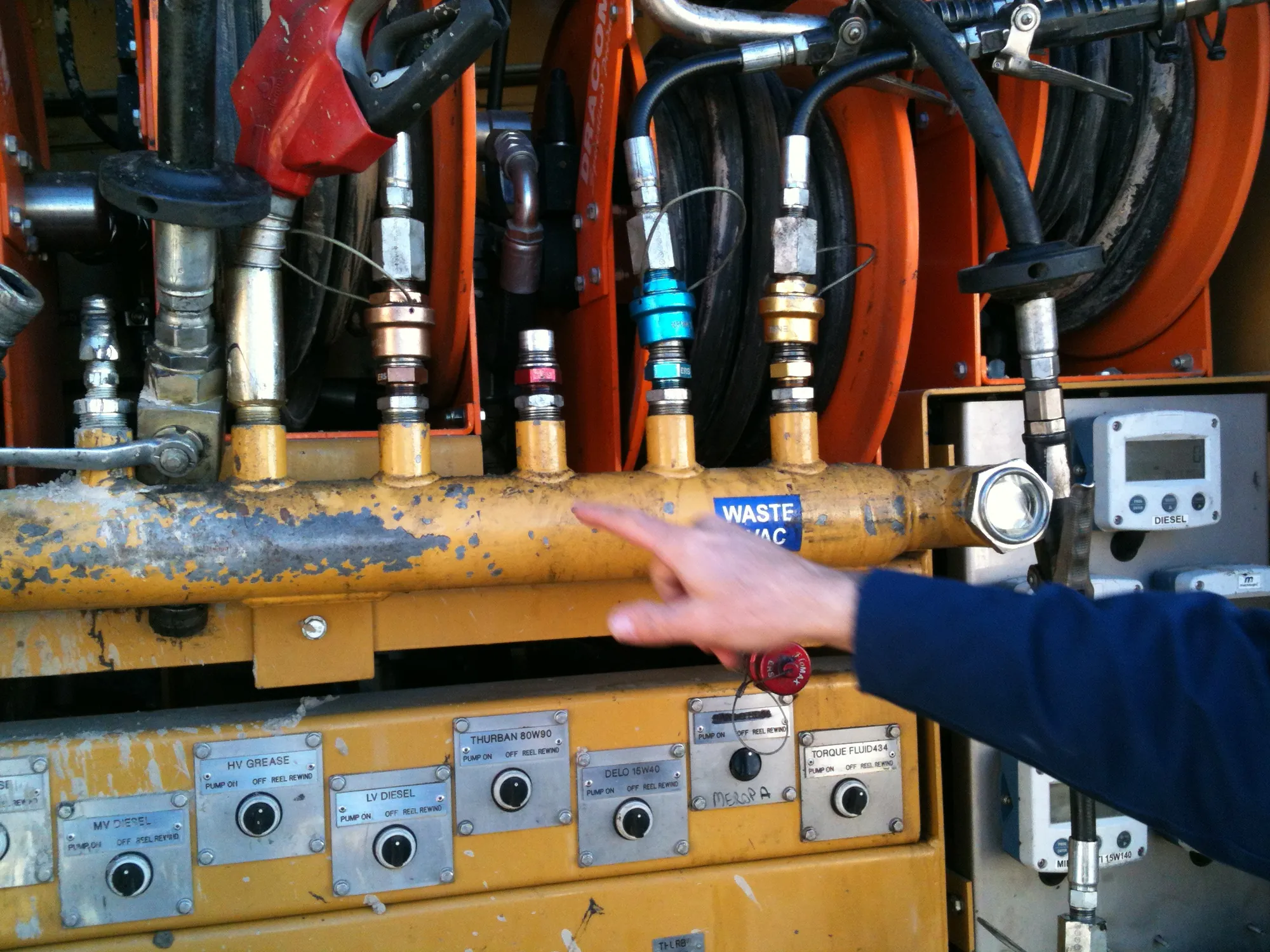
As mining equipment ages, major components near the end of their service life, maintenance costs rise and repairs become more frequent. The decision to rebuild or replace should rest on more than operating hours alone.
We assess availability and utilisation, historical and forecast maintenance costs, major component condition, the cost and downtime of a planned rebuild, replacement costs and lead times, remaining mine life, and expected reliability after a rebuild.
In some cases a planned rebuild offers the best return. In others, more spending on ageing equipment is no longer commercially justified. Either way, management gets the information it needs to make a sound investment decision.
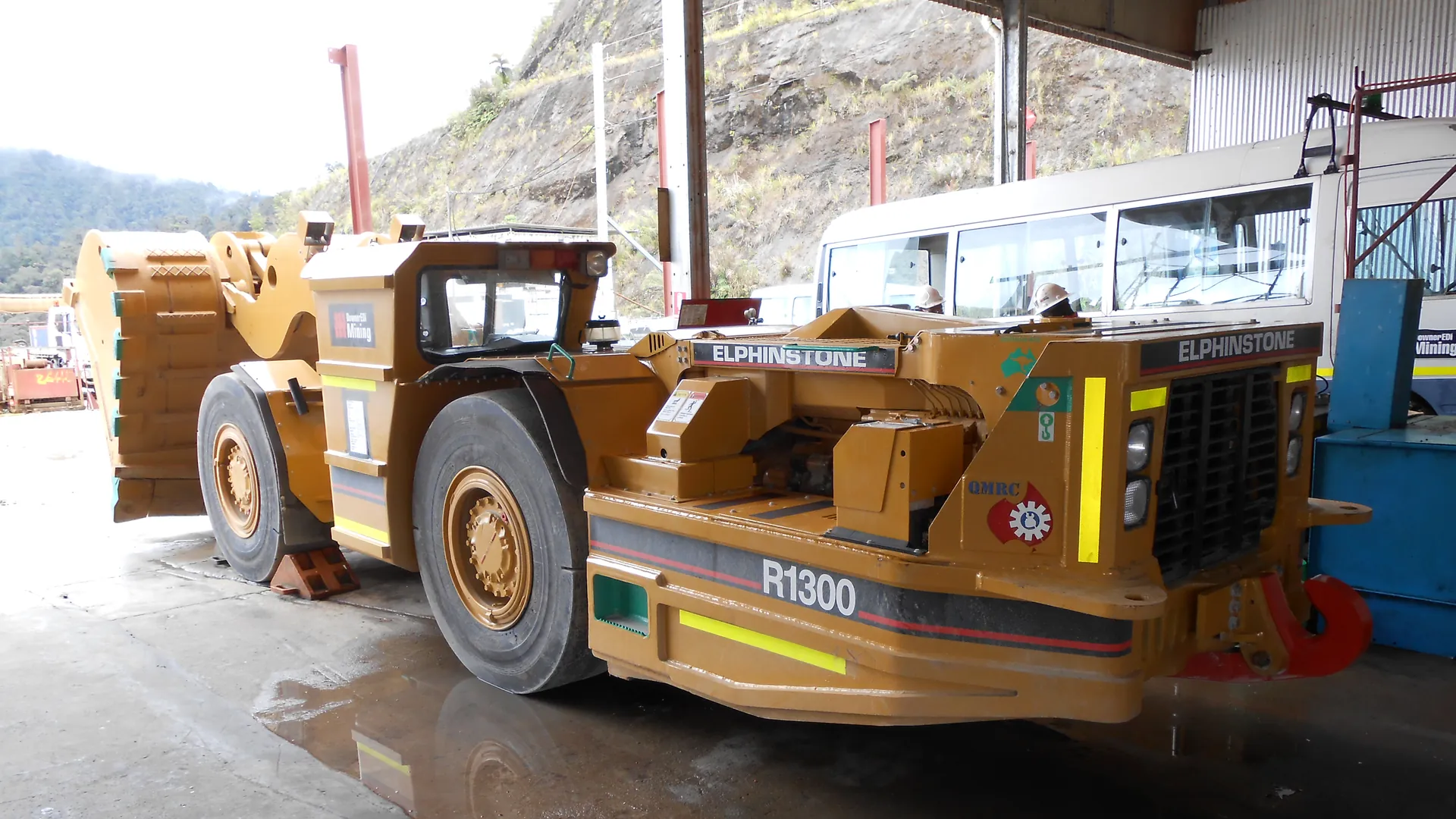
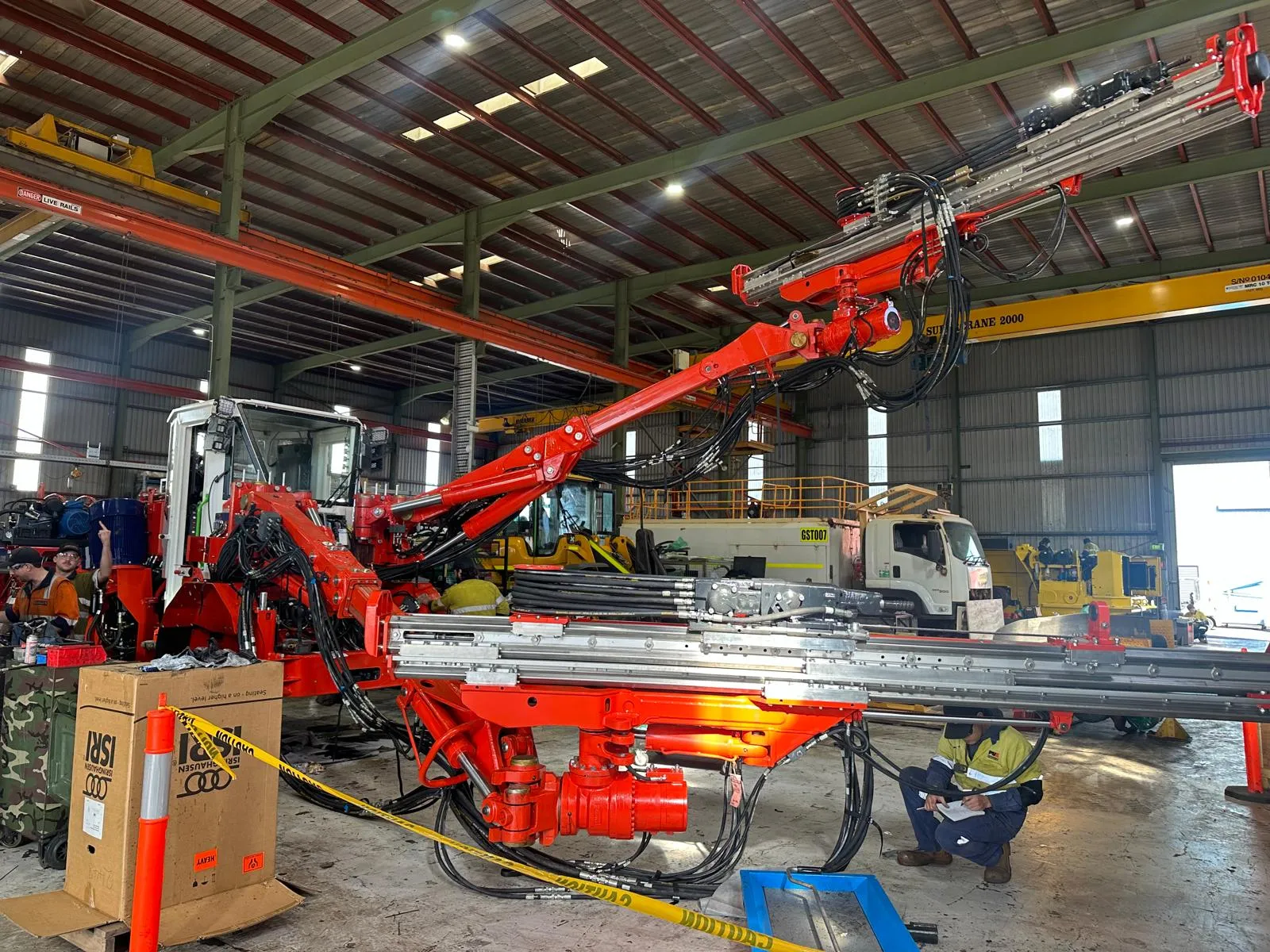
Effective maintenance consulting needs an understanding of what happens on the workshop floor. PMR Diesel combines mining maintenance management experience with hands-on diesel mechanical and diagnostic capability. Where major rebuilds or specialist work are needed, we can assess the scope, coordinate the work and arrange suitable technical resources. We support mining operations with:
Scheduled maintenance and technical support for underground mobile equipment.
Drill rig and mobile equipment inspections and condition assessments.
Component repair, replacement and rebuild planning.
Machine refurbishment and rebuild support.
Mechanical fault finding and diesel diagnostics.
Equipment reliability investigations and recurring failure analysis.
Maintenance procedures, inspection standards and technical documentation.
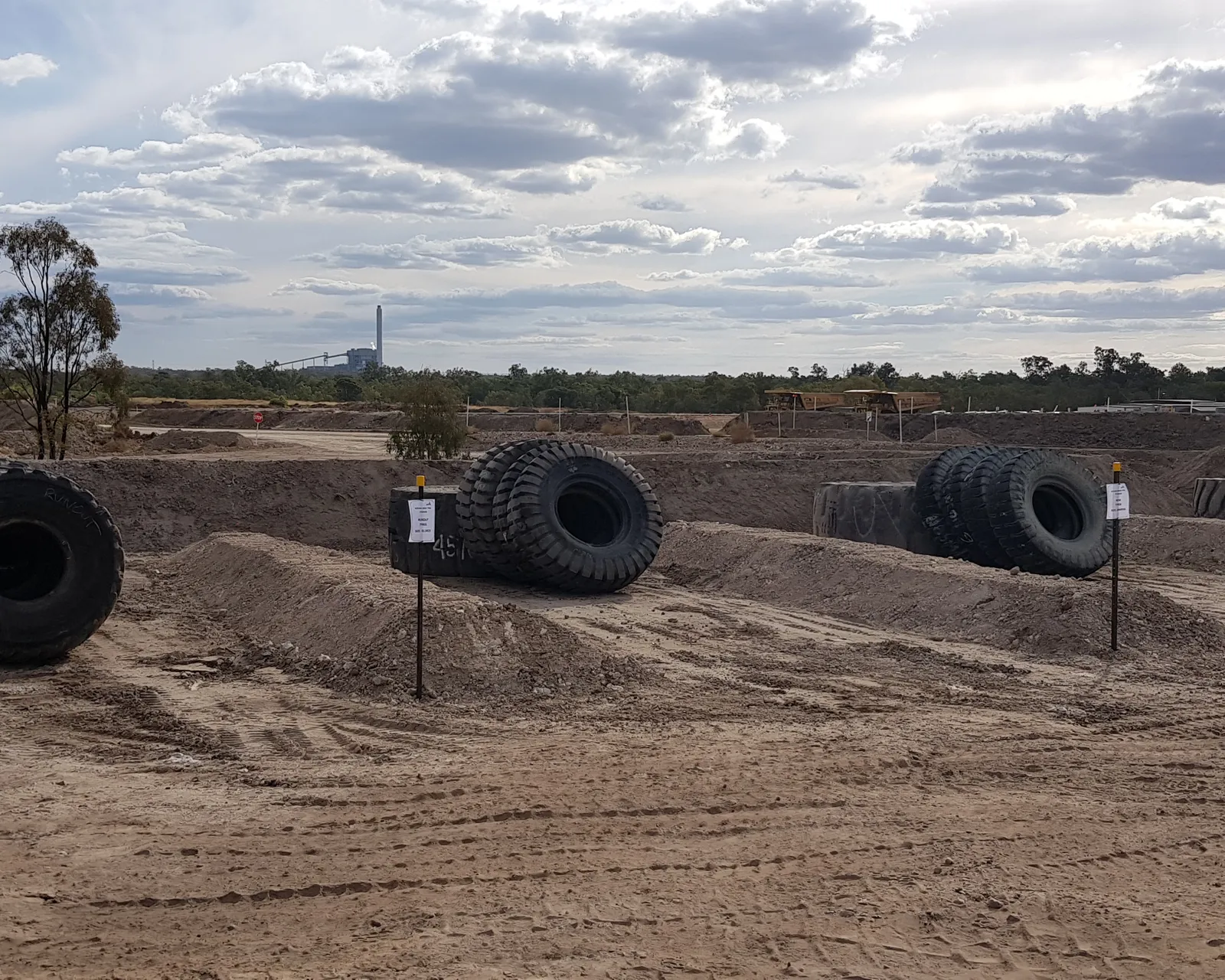
On large civil and mining sites, tyre life is one of the biggest maintenance problems we see. A tyre failure stops a machine just as surely as an engine fault, and the cost of replacing tyres early adds up quickly across a fleet.
We treat tyres as part of the maintenance plan, not a separate cost line. We help sites put a tyre management and tyre maintenance plan in place, built around how and where the equipment works, so tyre problems are found early and replacements are planned rather than reactive.
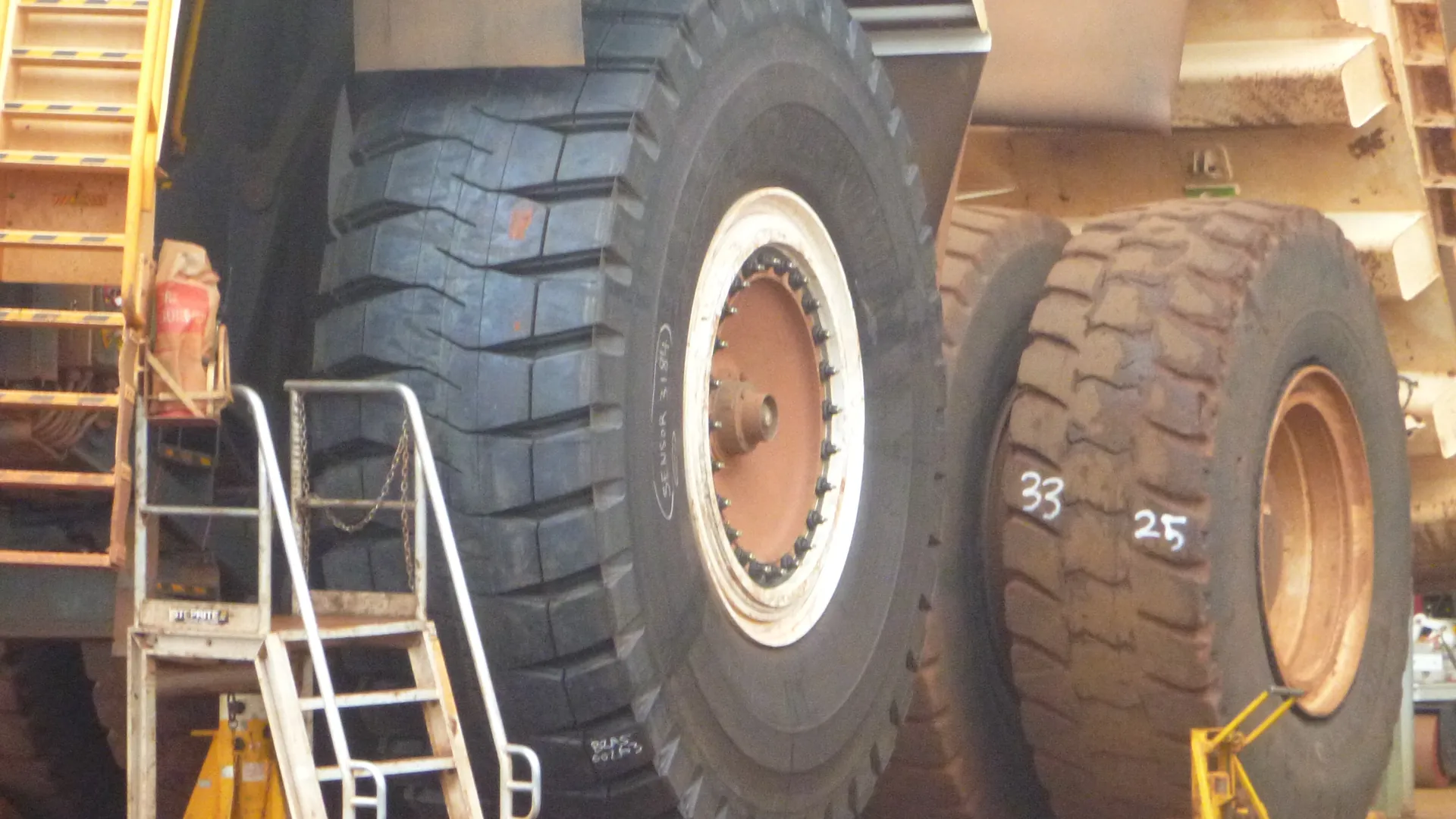
Incomplete inspection records, poorly controlled lifting equipment, inadequate tyre management and missed statutory requirements expose a mine to safety, regulatory and production risks. PMR Diesel helps mining operations review compliance systems, find the gaps and put practical corrective actions in place. The aim is compliance systems that are practical, documented and consistently followed. Regulatory acceptance, certification and statutory sign-off remain subject to the applicable requirements and authorised personnel.
Areas we can assist with:
Tyre and wheel management: tyre registers, inspection requirements, serial number identification, condition monitoring, storage and maintenance procedures.
Lifting equipment management: equipment registers, inspection and certification schedules, identification systems, inspection records and controlled issue.
Statutory maintenance and inspections: making sure the applicable statutory inspections, tests and maintenance are built into planned schedules.
Mobile and towed equipment compliance: maintenance and inspection arrangements for mobile plant, lighting towers, trailers and support equipment, checked against regulatory and site requirements.
Maintenance documentation and records: inspection records, work orders, maintenance histories, defect management, corrective action tracking and evidence of completed work.
PMR Diesel's mining maintenance expertise comes from practical experience across mechanical trades, underground mobile equipment maintenance, workshop management and senior maintenance leadership.
That experience includes responsibility for maintenance performance across about eight underground mining operations, including multi-site management with Downer. It meant working with site maintenance teams, engineers, planners and operational management to improve availability and reliability. International work has covered Australia, Papua New Guinea, Africa and China. Our background also includes involvement in equipment compliance and quality assurance, including manufacturing standards, welding procedures, lifting-point testing and equipment certification requirements.
Today, PMR Diesel operates from Chevallum on Queensland's Sunshine Coast, providing diesel mechanical services alongside maintenance consulting. Our experience covers the complete maintenance operation, from hands-on mechanical work to leadership, planning, compliance and fleet performance.
Underground
Open cut
Mount Isa
Cobar
Papua New Guinea
Africa
China
12 months
Challenge. An underground mining contractor had ongoing equipment availability problems, and its client raised formal concerns. Maintenance had become reactive, with supervisors managing breakdowns and resources pulled from planned work.
Our approach. We stabilised the fleet first. Then we prioritised critical equipment and defects, restored supervision and clear responsibilities, improved short-term planning, reviewed major component schedules and improved defect reporting. We also set up regular performance reporting with the client.
Outcome. Maintenance moved from breakdown reporting to forward planning. Client review meetings dropped from twice weekly to fortnightly, and the full turnaround took about 12 months.
3 months
Challenge. An open cut gold mine had a regulatory work stoppage after maintenance-related compliance findings. They covered tyre management, lifting equipment control, statutory inspections and other equipment compliance requirements.
Our approach. We reviewed the deficiencies and introduced corrective systems for tyre inspection and registers, lifting equipment control, statutory inspection scheduling and records, compliance documentation, and maintenance procedures and corrective actions.
Outcome. The required improvements were in place within about three months, supporting the site's return to operation, subject to regulatory requirements.
These engagements show why it matters to fix the underlying maintenance systems, not only individual equipment failures.
Straight answers to what site managers usually ask first.
How long does a maintenance consulting engagement take?
Every operation is different. An initial site assessment may take one to two weeks, depending on fleet size, available information and the scope of the review. Stabilising a heavily reactive operation can take several weeks or longer. Broader maintenance improvement programs may run over several months, with complex site turnarounds potentially extending to 12 months. We work with management to establish realistic priorities, milestones and performance measures.
Do you work with mine owners or mining contractors?
Both. PMR Diesel can support mine owners, principal contractors and specialist mining contractors requiring assistance with maintenance management, equipment reliability, planning, compliance or operational improvement.
Do you work in underground or open cut mining?
Both. Our background includes extensive underground mobile equipment maintenance experience, along with open cut mining and maintenance compliance work. We understand that different mining environments require different maintenance strategies.
Will you replace our existing maintenance management system?
Not necessarily. Most operations already have a computerised maintenance management system capable of supporting effective maintenance. Our priority is understanding how the existing system is being used, improving the quality of maintenance information and ensuring the data supports planning and management decisions. We focus on improving the maintenance process before recommending additional software or systems.
Can PMR Diesel provide hands-on mechanical support?
Yes. PMR Diesel operates a diesel mechanical workshop and provides technical and diagnostic support for diesel-powered equipment. Depending on equipment type, location, available facilities and the work required, we can assist directly or coordinate suitable specialist resources.
What does a maintenance consulting engagement cost?
Engagements are scoped according to site location, fleet size, operational requirements, duration and the level of support required. Services can include an initial assessment, short-term management support or a longer-term maintenance improvement engagement. We discuss the requirements with the client before providing a proposal and commercial terms.
If your operation is dealing with falling availability, recurring breakdowns, rising maintenance costs, planning problems or compliance concerns, PMR Diesel can help identify where improvements are needed. Whether you need an independent assessment, experienced management support or a structured reliability improvement program, we provide practical solutions based on real mining experience. All initial discussions are treated confidentially.